“As you start to walk on the way, the way appears.”
_Rumi
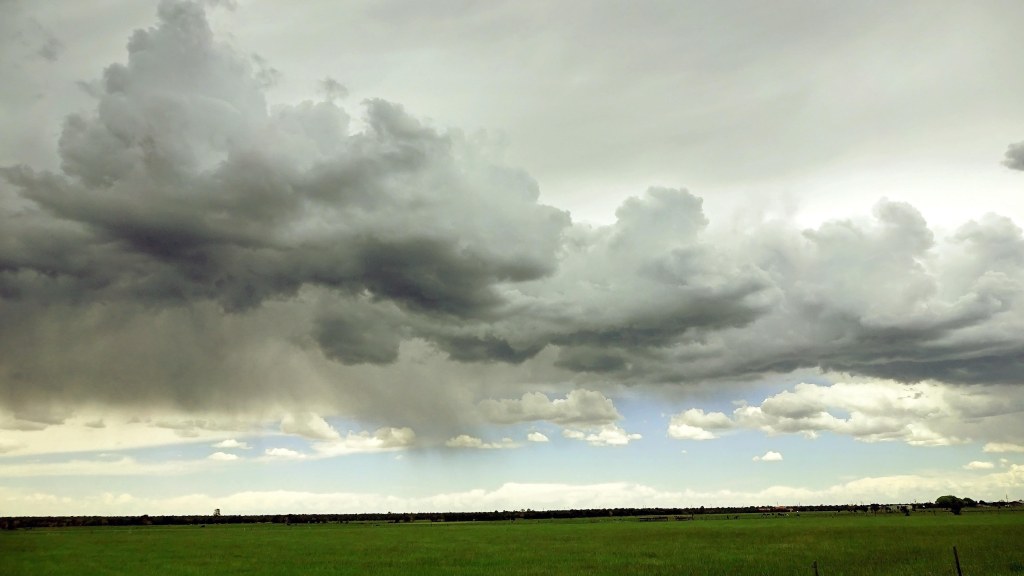
Some lessons learned from by engaging into a new adventure in life and taking the time to figure this out. It’s a little bit of work to keep a blog updated with photos and stories on a regular basis and keeping audience engaged.
Four trips so far this year 1st_ Grand Canyon Connector, 2nd_ Southern Tier Route a long Theodore Roosevelt Lake, 3rd_ Tucson, 4th_ Mogollon Rim in the Apache Sitgreaves National Forest and more before the year is over. It’s had it challenges with some heavy winter rains and the Covid-19 pandemic shutting down the country and making bike travel a little difficult.
Another huge lesson is being able to upload and process photography and bring a computer a long and finding internet connections and to be able to write the story. The idea of doing this at home after a trip doesn’t work, there’s just to many distractions and hundreds of photos to review and a notebook and lots of lost thoughts…..

Lessons Learned
Planning: I didn’t spend enough time calling ahead and asking questions for recommendations and reservations. I went on the fly figuring things out on the go…. which was kind of fun and learning for the return next time through. However, it’s a little stressful and the additional costs incurred by not knowing something about the next community especially on weekends when everything is sold out and automotive traffic is at it’s peak.
Photography: Cell phone pictures are great for Strava and Facebook posting. Taking the SD card out of the phone and downloading for photos which are of poor quality. Don’t bring two cameras. Only one can be used at a time and found the Sony Alpha 6000 to be the best (lightest and compact) for traveling. The choice of lenses is the Sony 16-50mm, f/3.5-5.6 kit lens the lightest shoot and go ready. Next choice is the Zeiss 24-70mm, f/4 and Zeiss 12mm, f/2.8 Quite frankly any trip is doable any one of these lenses only if weight is a concern. The https://platypod.com/ is the best for bike travel tripod.
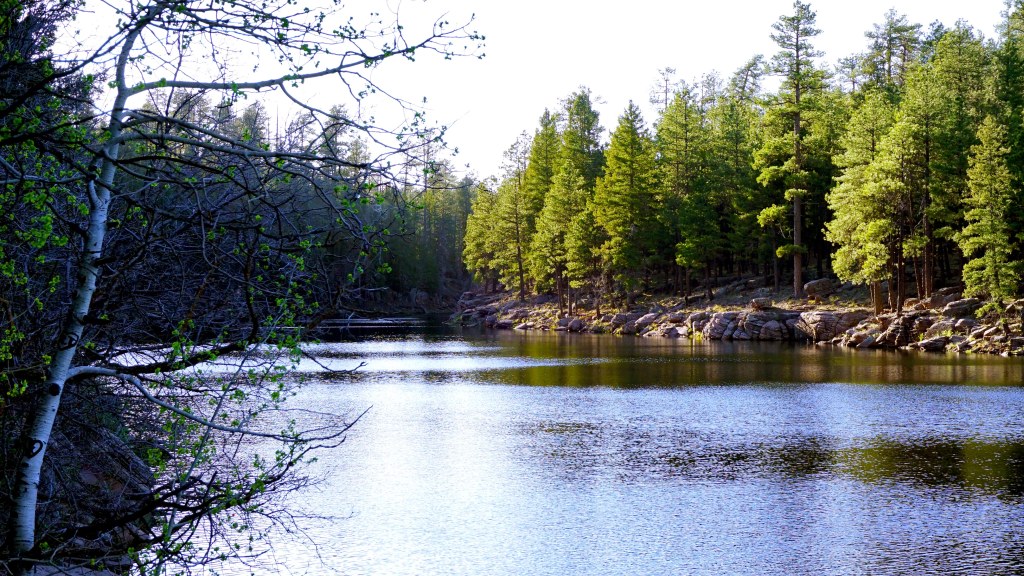
Bring a small laptop with Photoshop is essential for two reason. It’s hard to tell and identify photography mistake with camera preview of pictures and only to come home and find a lot of pictures ruined by the same mistake over and over again. Also by having a laptop processing work load as you go and eliminating a lot of work at home after the trip.
Laptop: Again, having a way to transfer photos to files, publishing and updating blog, surfing the web to explore what’s next on the adventure on those rest days and rainy days. Cell phones only don’t cut it!
National Forest Campgrounds: Go online and make reservations https://www.recreation.gov/ A word about reservation. Odd numbered tent camping sites are reserve-able while even numbered are first come first serve. Most sites post are marked and posted reservation dates. Call ahead to the ranger districts the rules and availability vary. For example Apache-Sitgreaves National Forest is broken down into three districts and each district varies for developed camping availability. It become a little difficult to plan around sites with showers. Disperse camping is always open. On weekends everything is full and the people just trash these places out. Myself personally found weekends a good time to stay put ( camping or motel ) and stay of the road. There’s just to many disrespectful weekend warriors. Quite frankly the Industrialized Automotive Culture is ruining to the outdoors.
 Spaceship Earth Adventures
Leave a comment